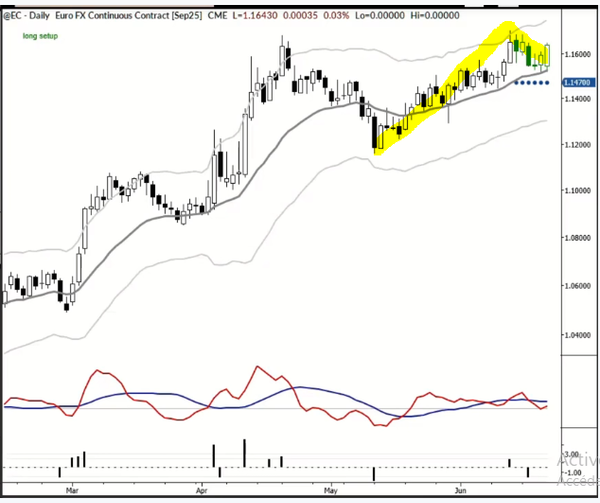
Pullback
Chart Reading Isn’t About What’s Right. It’s About What Works
What’s the right way to read chart structure? That’s the wrong question. This post explains why context and utility matter more than correctness in trading charts.
Pullback
What’s the right way to read chart structure? That’s the wrong question. This post explains why context and utility matter more than correctness in trading charts.

Pullback
Pullbacks are a great way to trade. But, with any trade, the problem is that some trades work and some don’t. There are ways to tell which pullbacks are more likely to lead to winning trades, and one of the best ways is to put the setup in context.
Technical Patterns
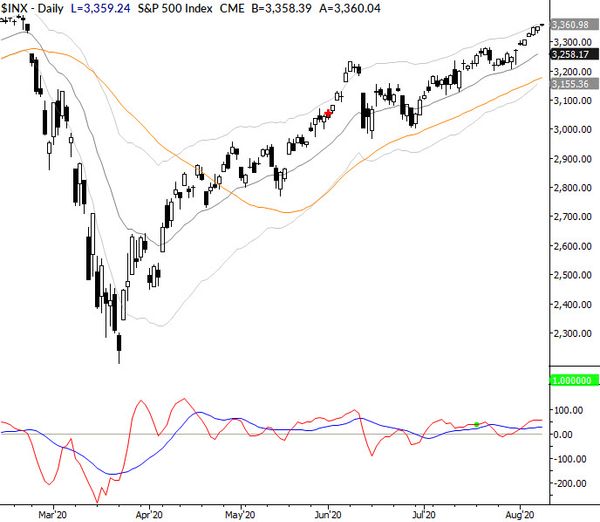
When I discuss a chart or market, I often talk about the “dominant technical factor.” This is a useful concept that can help anyone, regardless of your experience level, to read a market better. What is a dominant technical factor, how do you find it, and what can go wrong?
Breakout
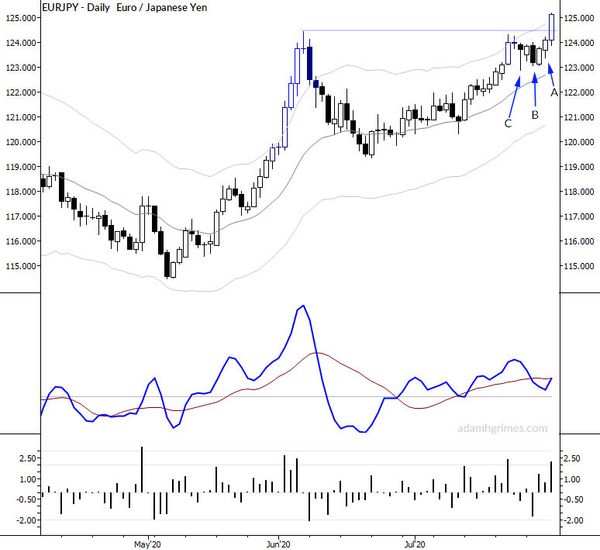
Patience is a critical skill in trading. But, like everything, balance matters. Being “too patient” is as bad as being impatient. How do we find the balance? One answer is to think about how and where patterns fail. The chart above shows a trade that we discussed daily with our
General Comments
[dc]I[/dc] want to share the thinking and reasons supporting a technically-motivated short position in Treasury Futures. I think it is possible to simplify the trading of patterns too much, and to imply that all a trader has to do is to simply execute some basic patterns and
General Comments
This daily chart of ABX shows a stock that may have found a bottom: after several potential bottoming formations, the rally has carried the stock the upper Keltner channel, suggesting that a pullback could be buyable for a long trade and an attempt at catching a trend reversal. However, there